
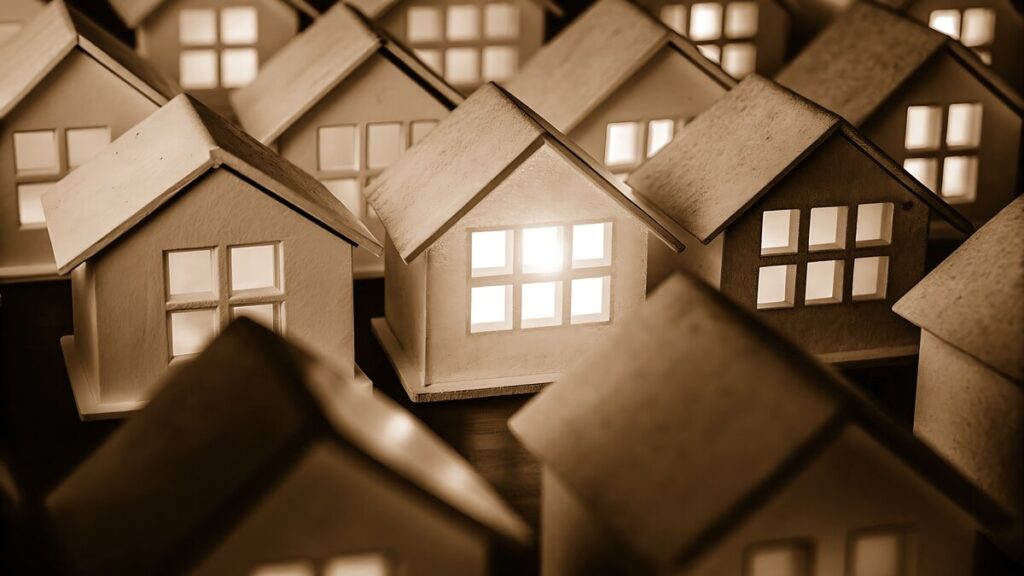
North Amityville, nestled within the southwest corner of the Town of Babylon in Suffolk County, is more than just a place on the map—it’s a vibrant community with a story woven deeply into the fabric of Long Island’s diverse heritage. From its modest beginnings to its status today as a pillar of multicultural strength, North Amityville endears itself not only to longtime residents but also to those who seek to understand the soulful history and enduring spirit that define this neighborhood.
The Origins of North Amityville
The area known today as North Amityville was once part of the larger Amityville tract, a settlement established officially in the late 1600s. The name “Amityville” itself is said to come from a meeting where early settlers sought “amity” or harmony among themselves—a fitting notion for the welcoming nature that still characterizes the area. As population increased and boundaries were needed for civic planning and services, the North Amityville district emerged, eventually distinguishing itself from the larger Amityville village to its south.
Early on, these lands were largely marshy woodlands and farmland, situated on the border between the areas now known as Copiague, Wyandanch, and Amityville proper. Farmers, fishermen, and tradespeople laid the foundations, building their lives alongside one another in small homesteads and hamlets. By the mid-20th century, North Amityville began carving out a distinct identity, shaped by waves of new residents, emerging infrastructure, and the ever-evolving cultural landscape of Long Island.
Naming and Boundary Lines
The evolution from simply “Amityville” to “North Amityville” was spurred in large part by the need to organize civic services—like schools, libraries, and local government—during a period of rapid suburbanization in the postwar era. The area’s official delineation follows landmarks such as Sunrise Highway to the south, Albany Avenue and Great Neck Road on either side, and Southern State Parkway just to the north.
While the boundaries have sometimes felt invisible to outsiders, North Amityville developed its own personality. Families who moved in during the 1960s and 1970s, drawn by affordable housing and proximity to jobs, contributed to a sense of pride and self-reliance that remains today.
Key Historical Milestones
- Postwar Suburban Development: After World War II, the demand for new housing soared, and North Amityville saw a boom in tract housing and small homes, welcoming a wave of working- and middle-class families.
- Civil Rights Era: North Amityville became an important destination for African American families moving from New York City and the southern United States. As the neighborhood diversified, local churches, schools, and civic groups rose to address inequalities and foster inclusion.
- Institutional Growth: Establishing the North Amityville Fire Company in 1970 and North Amityville Community Economic Council (NACEC) in the 1980s provided vital services and advocacy, supporting everything from fire safety to job training.
- Modern Revitalization: Recent decades have brought park renovations, new business developments along Route 110, and expanded youth programs at places like Bolden Mack Park, evidence of ongoing investment in the community’s future.
Landmarks and Local Institutions
North Amityville may not have the ornate Victorians or old village squares of some Long Island hamlets, but it’s rich with places that carry meaning and memories for all who’ve called it home.
- Bolden Mack Park: Located off Great Neck Road, this green space is a gathering spot for family picnics, youth sports, and community events from Juneteenth celebrations to school field days.
- North Amityville Fire Company: At 601 North Broadway, this volunteer-run organization is as much a center for service as it is a symbol of neighborhood pride.
- The Wayside Home for Girls: Once situated on Albany Avenue, this historic home supported young women in need through the early and mid-20th century—a testament to the community’s longstanding commitment to outreach.
- Amityville Public Library (North Amityville satellite location): While the main library is technically outside the neighborhood’s bounds, North Amityville kids and families have long made use of its services, reflecting the porous, neighborly spirit the community fosters.
Other institutions like Northedge Christian School on Smith Street and many of the local congregations—Second Baptist Church, Bethel AME, and others—have played outsized roles in fostering care, leadership, and unity.
The Neighborhood Experience: Then and Now
Walking the leafy stretches of Miller Avenue, Albany Avenue, or along Route 110, the history of North Amityville is palpable. Longtime residents recall block parties, little league games at Belmont Park, and evenings marked by neighbors chatting on stoops. The rhythm of daily life once revolved around bell schedules at the local elementary schools, the ringing alarm from the firehouse, and the hustle and bustle of Sunrise Mall, which for years loomed as a totem of commerce just outside the neighborhood.
Through the decades, North Amityville faced its share of challenges: moments of economic hardship, struggles against housing discrimination, and times when services were stretched thin. Yet, what has remained unwavering is the resilience of its people—families passing down stories, small businesses adapting to change, and young people growing into the next generation of community leaders.
Today, new developments and revitalization efforts reflect a neighborhood always in flux yet deeply respectful of its roots. Community clean-ups, food pantries hosted by local churches, and youth basketball tournaments are as much a part of the landscape as longstanding homes and businesses. There’s something intangible here—born of shared experience and mutual support—that lends North Amityville its special, quietly enduring strength.
Celebrating Heritage and Looking Ahead
Residents of North Amityville take pride in their neighborhood’s diversity, resourcefulness, and heart. From the legacy of early settlers to the accomplishments of graduates from the Amityville Union Free School District, North Amityville’s story continues to unfold.
As longtime neighbors welcome new faces, there’s a sense that every block tells part of a larger story—a story of hope, resilience, and the promise of tomorrow. It is, as always, a place where roots grow deep, and where the bonds of community keep history alive for generations to come.